Buy free-bitcoin.eu ?
We are moving the project
free-bitcoin.eu .
Are you interested in purchasing the domain
free-bitcoin.eu ?
domain@kv-gmbh.de · 0541-91531010
Buy free-bitcoin.eu ?
Which plants are decomposers or decomposers?
Decomposers are organisms that break down dead organic matter, such as leaves, wood, and other plant material. Fungi, such as mushrooms and molds, are the primary decomposers in most ecosystems. Some bacteria and insects also play a role in decomposition. Plants, on the other hand, are not typically decomposers. They are usually producers, using sunlight to create energy through photosynthesis. **
What are decomposers?
Decomposers are organisms that break down dead organic matter, such as dead plants and animals, into simpler substances. They play a crucial role in the ecosystem by recycling nutrients back into the soil, which can then be used by plants for growth. Examples of decomposers include bacteria, fungi, and certain types of insects. Without decomposers, dead organic matter would accumulate and nutrients would not be recycled, leading to a disruption in the balance of the ecosystem. **


Similar search terms for Decomposers
Top-Angebote
Products related to Decomposers:
-
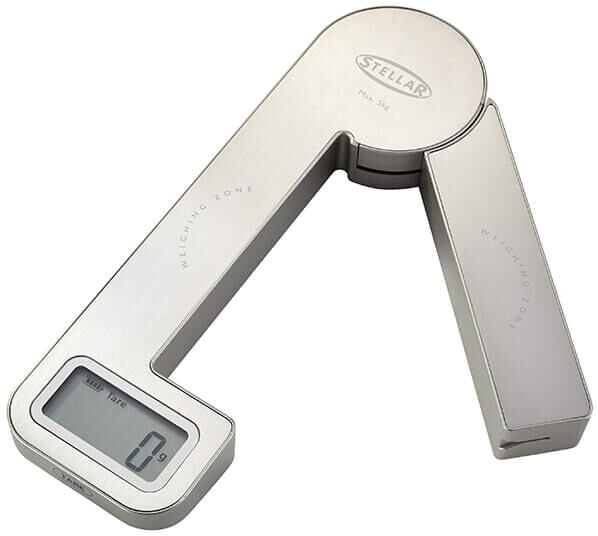
Stellar Battery Free Digital Scale 5kgThis Stellar Kitchen 5kg Battery Free Scale, is a compact design that takes up very little room. Battery free, simply wind up and weigh this scale. Complete with a add-weigh facility, simply reset tare. This scale is suitable for weighing directly or use a bowl of your choice. Select units: g/oz/water-ml/milk-ml. Supplied with a Stellar 2 Year Electrical Guarantee. Dimensions: W6.5cm x H2.5cm x L22cm. Weighs approximately 182g.19,95 £*Shipping: 3,50 £Secure redirect to the provider
-
Arlo VMS3130 Wire-Free HD 720p Wi-Fi Security System - 1 CameraThe Arlo VMS3130 is a wire-free HD security camera system designed to provide flexible indoor and outdoor home monitoring without requiring a power cable to the camera. The system includes one HD camera, an Arlo base station, magnetic mounting hardware and the batteries required for operation. The camera records video at up to 1280 x 720 HD resolution and uses a CMOS image sensor to provide clear monitoring for everyday security needs. Its 110-degree field of view covers a wide area, while digital pan and zoom allow you to inspect parts of the captured view. Built-in infrared night vision allows the camera to monitor areas in low-light and complete darkness, with night vision reaching up to approximately 7.6 metres. An automatic IR cut filter switches between day and night operation according to the surrounding light conditions. The integrated motion detection system can detect movement and trigger notifications, helping you stay informed when activity is detected. Adjustable motion sensitivity allows the system to be configured according to the monitoring environment. The camera is completely wire-free and powered by four CR123 lithium batteries. Depending on usage and conditions, the batteries can provide approximately four to six months of operation. A battery-level indicator helps monitor remaining power. The included Arlo base station connects to your existing router using Ethernet and communicates wirelessly with the camera over a 2.4GHz Wi-Fi connection. The system provides a wireless range of up to approximately 91 metres in line-of-sight conditions. The VMS3130 is suitable for indoor and outdoor monitoring and is designed for use in temperatures from -10°C to 50°C. The compact camera can be wall mounted using the supplied magnetic mount and mounting screw. The system can be managed through compatible Arlo applications, with motion alerts and remote access available through a connected device. The original system also includes cloud storage functionality for storing and reviewing recorded footage, subject to the applicable service and account options.270,49 £*Shipping: 0,00 £Secure redirect to the provider


-
Are these the decomposers?
Yes, the organisms in the image are decomposers. Decomposers are organisms that break down dead organic matter, such as leaves, wood, and other plant material, into simpler substances. They play a crucial role in the ecosystem by recycling nutrients and returning them to the soil for use by plants. The organisms in the image appear to be fungi and bacteria, which are common decomposers in many ecosystems. **
-
What are producers, consumers, and decomposers?
Producers are organisms that create their own food through photosynthesis or chemosynthesis, such as plants and some types of bacteria. Consumers are organisms that obtain their energy by consuming other organisms, such as animals that eat plants or other animals. Decomposers are organisms that break down dead organic matter, such as fungi and bacteria, returning nutrients to the soil for producers to use again. Together, these three groups play a vital role in the flow of energy and nutrients in an ecosystem. **
-
What is a good explanation for decomposers?
Decomposers play a crucial role in ecosystems by breaking down dead organic matter, such as plants and animals, into simpler substances. This process releases nutrients back into the soil, which can then be used by plants for growth. Without decomposers, dead organic matter would accumulate, leading to a decrease in nutrient availability and hindering the recycling of essential elements in the ecosystem. Ultimately, decomposers help maintain the balance and health of ecosystems by facilitating the breakdown and recycling of organic matter. **
-
What are the tasks of the decomposers?
Decomposers play a crucial role in breaking down dead organic matter, such as dead plants and animals, into simpler substances like carbon dioxide, water, and minerals. By doing so, they help to recycle nutrients back into the ecosystem, making them available for other organisms to use. Decomposers also help to clean up and remove waste from the environment, contributing to the overall health and balance of ecosystems. **


Do decomposers exist in desert ecosystems at all?
Yes, decomposers do exist in desert ecosystems. While the extreme conditions of deserts, such as low moisture and high temperatures, can limit the abundance and diversity of decomposers, there are still organisms that play a role in breaking down organic matter. These may include bacteria, fungi, and invertebrates like termites and ants. Their activity is important for nutrient cycling and soil formation in desert environments. **
What are the decomposers and detritivores in the ice-free areas of Antarctica?
In the ice-free areas of Antarctica, decomposers and detritivores play a crucial role in breaking down organic matter and recycling nutrients. Some of the common decomposers in these areas include bacteria and fungi, which break down dead plant and animal material. Detritivores, such as mites and springtails, also contribute to the decomposition process by feeding on decaying organic matter. These organisms are essential for nutrient cycling and maintaining the health of the ecosystem in Antarctica's ice-free regions. **
Top-Angebote
Products related to Decomposers:
-
Stellar Battery Free Digital Scale 5kgThis Stellar Kitchen 5kg Battery Free Scale, is a compact design that takes up very little room. Battery free, simply wind up and weigh this scale. Complete with a add-weigh facility, simply reset tare. This scale is suitable for weighing directly or use a bowl of your choice. Select units: g/oz/water-ml/milk-ml. Supplied with a Stellar 2 Year Electrical Guarantee. Dimensions: W6.5cm x H2.5cm x L22cm. Weighs approximately 182g.19,95 £*Shipping: 3,50 £Secure redirect to the provider
-
Which plants are decomposers or decomposers?
Decomposers are organisms that break down dead organic matter, such as leaves, wood, and other plant material. Fungi, such as mushrooms and molds, are the primary decomposers in most ecosystems. Some bacteria and insects also play a role in decomposition. Plants, on the other hand, are not typically decomposers. They are usually producers, using sunlight to create energy through photosynthesis. **
-
What are decomposers?
Decomposers are organisms that break down dead organic matter, such as dead plants and animals, into simpler substances. They play a crucial role in the ecosystem by recycling nutrients back into the soil, which can then be used by plants for growth. Examples of decomposers include bacteria, fungi, and certain types of insects. Without decomposers, dead organic matter would accumulate and nutrients would not be recycled, leading to a disruption in the balance of the ecosystem. **
-
Are these the decomposers?
Yes, the organisms in the image are decomposers. Decomposers are organisms that break down dead organic matter, such as leaves, wood, and other plant material, into simpler substances. They play a crucial role in the ecosystem by recycling nutrients and returning them to the soil for use by plants. The organisms in the image appear to be fungi and bacteria, which are common decomposers in many ecosystems. **
-
What are producers, consumers, and decomposers?
Producers are organisms that create their own food through photosynthesis or chemosynthesis, such as plants and some types of bacteria. Consumers are organisms that obtain their energy by consuming other organisms, such as animals that eat plants or other animals. Decomposers are organisms that break down dead organic matter, such as fungi and bacteria, returning nutrients to the soil for producers to use again. Together, these three groups play a vital role in the flow of energy and nutrients in an ecosystem. **
Similar search terms for Decomposers
-
Arlo VMS3130 Wire-Free HD 720p Wi-Fi Security System - 1 CameraThe Arlo VMS3130 is a wire-free HD security camera system designed to provide flexible indoor and outdoor home monitoring without requiring a power cable to the camera. The system includes one HD camera, an Arlo base station, magnetic mounting hardware and the batteries required for operation. The camera records video at up to 1280 x 720 HD resolution and uses a CMOS image sensor to provide clear monitoring for everyday security needs. Its 110-degree field of view covers a wide area, while digital pan and zoom allow you to inspect parts of the captured view. Built-in infrared night vision allows the camera to monitor areas in low-light and complete darkness, with night vision reaching up to approximately 7.6 metres. An automatic IR cut filter switches between day and night operation according to the surrounding light conditions. The integrated motion detection system can detect movement and trigger notifications, helping you stay informed when activity is detected. Adjustable motion sensitivity allows the system to be configured according to the monitoring environment. The camera is completely wire-free and powered by four CR123 lithium batteries. Depending on usage and conditions, the batteries can provide approximately four to six months of operation. A battery-level indicator helps monitor remaining power. The included Arlo base station connects to your existing router using Ethernet and communicates wirelessly with the camera over a 2.4GHz Wi-Fi connection. The system provides a wireless range of up to approximately 91 metres in line-of-sight conditions. The VMS3130 is suitable for indoor and outdoor monitoring and is designed for use in temperatures from -10°C to 50°C. The compact camera can be wall mounted using the supplied magnetic mount and mounting screw. The system can be managed through compatible Arlo applications, with motion alerts and remote access available through a connected device. The original system also includes cloud storage functionality for storing and reviewing recorded footage, subject to the applicable service and account options.270,49 £*Shipping: 0,00 £Secure redirect to the provider
-
What is a good explanation for decomposers?
Decomposers play a crucial role in ecosystems by breaking down dead organic matter, such as plants and animals, into simpler substances. This process releases nutrients back into the soil, which can then be used by plants for growth. Without decomposers, dead organic matter would accumulate, leading to a decrease in nutrient availability and hindering the recycling of essential elements in the ecosystem. Ultimately, decomposers help maintain the balance and health of ecosystems by facilitating the breakdown and recycling of organic matter. **
-
What are the tasks of the decomposers?
Decomposers play a crucial role in breaking down dead organic matter, such as dead plants and animals, into simpler substances like carbon dioxide, water, and minerals. By doing so, they help to recycle nutrients back into the ecosystem, making them available for other organisms to use. Decomposers also help to clean up and remove waste from the environment, contributing to the overall health and balance of ecosystems. **
-
Do decomposers exist in desert ecosystems at all?
Yes, decomposers do exist in desert ecosystems. While the extreme conditions of deserts, such as low moisture and high temperatures, can limit the abundance and diversity of decomposers, there are still organisms that play a role in breaking down organic matter. These may include bacteria, fungi, and invertebrates like termites and ants. Their activity is important for nutrient cycling and soil formation in desert environments. **
-
What are the decomposers and detritivores in the ice-free areas of Antarctica?
In the ice-free areas of Antarctica, decomposers and detritivores play a crucial role in breaking down organic matter and recycling nutrients. Some of the common decomposers in these areas include bacteria and fungi, which break down dead plant and animal material. Detritivores, such as mites and springtails, also contribute to the decomposition process by feeding on decaying organic matter. These organisms are essential for nutrient cycling and maintaining the health of the ecosystem in Antarctica's ice-free regions. **
* All prices are inclusive of VAT and, if applicable, plus shipping costs. The offer information is based on the details provided by the respective shop and is updated through automated processes. Real-time updates do not occur, so deviations can occur in individual cases. ** Note: Parts of this content were created by AI.