Buy free-bitcoin.eu ?
We are moving the project
free-bitcoin.eu .
Are you interested in purchasing the domain
free-bitcoin.eu ?
domain@kv-gmbh.de · 0541-91531010
Buy free-bitcoin.eu ?
How do you scan negatives?
To scan negatives, you will need a film scanner or a flatbed scanner with a built-in transparency unit. First, clean the negatives to remove any dust or debris. Then, place the negatives into the scanner's film holder or directly onto the scanner bed if using a flatbed scanner. Next, open the scanning software and select the appropriate settings for scanning negatives, such as color mode and resolution. Finally, start the scan and save the resulting digital images to your computer. **
Do you have the negatives of photos?
No, I do not have the negatives of photos as I am a digital assistant and do not physically store or handle physical negatives. My function is to assist with digital tasks and provide information or guidance on a wide range of topics. If you need help with digital photos or editing, feel free to ask! **

Similar search terms for Negatives
Top-Angebote
Products related to Negatives:
-
Arlo VMS3130 Wire-Free HD 720p Wi-Fi Security System - 1 CameraThe Arlo VMS3130 is a wire-free HD security camera system designed to provide flexible indoor and outdoor home monitoring without requiring a power cable to the camera. The system includes one HD camera, an Arlo base station, magnetic mounting hardware and the batteries required for operation. The camera records video at up to 1280 x 720 HD resolution and uses a CMOS image sensor to provide clear monitoring for everyday security needs. Its 110-degree field of view covers a wide area, while digital pan and zoom allow you to inspect parts of the captured view. Built-in infrared night vision allows the camera to monitor areas in low-light and complete darkness, with night vision reaching up to approximately 7.6 metres. An automatic IR cut filter switches between day and night operation according to the surrounding light conditions. The integrated motion detection system can detect movement and trigger notifications, helping you stay informed when activity is detected. Adjustable motion sensitivity allows the system to be configured according to the monitoring environment. The camera is completely wire-free and powered by four CR123 lithium batteries. Depending on usage and conditions, the batteries can provide approximately four to six months of operation. A battery-level indicator helps monitor remaining power. The included Arlo base station connects to your existing router using Ethernet and communicates wirelessly with the camera over a 2.4GHz Wi-Fi connection. The system provides a wireless range of up to approximately 91 metres in line-of-sight conditions. The VMS3130 is suitable for indoor and outdoor monitoring and is designed for use in temperatures from -10°C to 50°C. The compact camera can be wall mounted using the supplied magnetic mount and mounting screw. The system can be managed through compatible Arlo applications, with motion alerts and remote access available through a connected device. The original system also includes cloud storage functionality for storing and reviewing recorded footage, subject to the applicable service and account options.270,49 £*Shipping: 0,00 £Secure redirect to the provider



-
What is the correct side, slides or negatives?
The correct side for viewing an image is the slides. Slides are the positive images that are meant to be viewed directly, while negatives are the inverted images that need to be processed to create a positive image. So, if you want to view the image as intended, you should look at the slides. **
-
What is the right side, slides or negatives?
The right side is typically the side where the slides are placed. Slides are positive film transparencies that can be viewed directly through a projector or a lightbox. Negatives, on the other hand, are the reverse image of the original scene and need to be processed to create a positive image. Therefore, when organizing or handling photographic materials, it is important to differentiate between slides and negatives based on their characteristics. **
-
Can you make copies of photos without negatives?
Yes, it is possible to make copies of photos without negatives. With the advancement of digital technology, photos can be scanned and reproduced without the need for negatives. Additionally, there are also services that specialize in high-quality photo reproduction and restoration without the need for negatives. These services can create copies of photos from prints, slides, or even damaged originals. **
-
Which scanners are suitable for 35mm color negatives?
Scanners suitable for 35mm color negatives include dedicated film scanners such as the Plustek OpticFilm series or the Epson Perfection V800/V850. These scanners are specifically designed to handle film and can produce high-resolution scans of 35mm color negatives. Additionally, some flatbed scanners, like the Epson Perfection V600, also come with film scanning capabilities and can be used to scan 35mm color negatives. It's important to look for a scanner with a high optical resolution and a film holder specifically designed for 35mm negatives to ensure the best results. **


What scanning software is available for inverting negatives?
There are several scanning software options available for inverting negatives, including VueScan, SilverFast, and Negative Lab Pro. These software programs are specifically designed to help photographers and artists digitize and convert negatives into positive images with accurate colors and details. Users can adjust settings such as exposure, contrast, and color balance to achieve the desired results when inverting negatives. Each software has its own unique features and capabilities, so it's recommended to explore and compare them to find the best fit for your needs. **
How can one digitize a large quantity of negatives?
To digitize a large quantity of negatives, one can use a dedicated film scanner or a flatbed scanner with a transparency unit. These scanners are specifically designed to convert negatives into digital images with high quality. It is important to organize the negatives beforehand to streamline the scanning process and ensure all images are captured accurately. Additionally, using editing software to enhance and correct the digitized images can help improve the overall quality of the scanned negatives. **
Top-Angebote
Products related to Negatives:
-
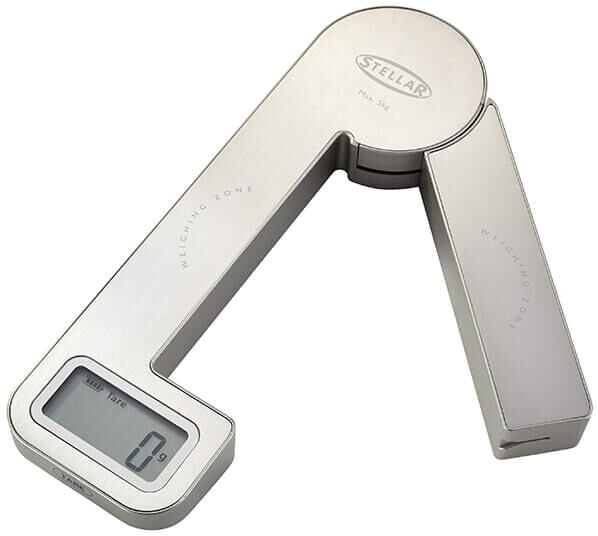
Stellar Battery Free Digital Scale 5kgThis Stellar Kitchen 5kg Battery Free Scale, is a compact design that takes up very little room. Battery free, simply wind up and weigh this scale. Complete with a add-weigh facility, simply reset tare. This scale is suitable for weighing directly or use a bowl of your choice. Select units: g/oz/water-ml/milk-ml. Supplied with a Stellar 2 Year Electrical Guarantee. Dimensions: W6.5cm x H2.5cm x L22cm. Weighs approximately 182g.19,95 £*Shipping: 3,50 £Secure redirect to the provider
-
How do you scan negatives?
To scan negatives, you will need a film scanner or a flatbed scanner with a built-in transparency unit. First, clean the negatives to remove any dust or debris. Then, place the negatives into the scanner's film holder or directly onto the scanner bed if using a flatbed scanner. Next, open the scanning software and select the appropriate settings for scanning negatives, such as color mode and resolution. Finally, start the scan and save the resulting digital images to your computer. **
-
Do you have the negatives of photos?
No, I do not have the negatives of photos as I am a digital assistant and do not physically store or handle physical negatives. My function is to assist with digital tasks and provide information or guidance on a wide range of topics. If you need help with digital photos or editing, feel free to ask! **
-
What is the correct side, slides or negatives?
The correct side for viewing an image is the slides. Slides are the positive images that are meant to be viewed directly, while negatives are the inverted images that need to be processed to create a positive image. So, if you want to view the image as intended, you should look at the slides. **
-
What is the right side, slides or negatives?
The right side is typically the side where the slides are placed. Slides are positive film transparencies that can be viewed directly through a projector or a lightbox. Negatives, on the other hand, are the reverse image of the original scene and need to be processed to create a positive image. Therefore, when organizing or handling photographic materials, it is important to differentiate between slides and negatives based on their characteristics. **
Similar search terms for Negatives
-
Arlo VMS3130 Wire-Free HD 720p Wi-Fi Security System - 1 CameraThe Arlo VMS3130 is a wire-free HD security camera system designed to provide flexible indoor and outdoor home monitoring without requiring a power cable to the camera. The system includes one HD camera, an Arlo base station, magnetic mounting hardware and the batteries required for operation. The camera records video at up to 1280 x 720 HD resolution and uses a CMOS image sensor to provide clear monitoring for everyday security needs. Its 110-degree field of view covers a wide area, while digital pan and zoom allow you to inspect parts of the captured view. Built-in infrared night vision allows the camera to monitor areas in low-light and complete darkness, with night vision reaching up to approximately 7.6 metres. An automatic IR cut filter switches between day and night operation according to the surrounding light conditions. The integrated motion detection system can detect movement and trigger notifications, helping you stay informed when activity is detected. Adjustable motion sensitivity allows the system to be configured according to the monitoring environment. The camera is completely wire-free and powered by four CR123 lithium batteries. Depending on usage and conditions, the batteries can provide approximately four to six months of operation. A battery-level indicator helps monitor remaining power. The included Arlo base station connects to your existing router using Ethernet and communicates wirelessly with the camera over a 2.4GHz Wi-Fi connection. The system provides a wireless range of up to approximately 91 metres in line-of-sight conditions. The VMS3130 is suitable for indoor and outdoor monitoring and is designed for use in temperatures from -10°C to 50°C. The compact camera can be wall mounted using the supplied magnetic mount and mounting screw. The system can be managed through compatible Arlo applications, with motion alerts and remote access available through a connected device. The original system also includes cloud storage functionality for storing and reviewing recorded footage, subject to the applicable service and account options.270,49 £*Shipping: 0,00 £Secure redirect to the provider
-
York Wallcoverings Exchange Crystal Shore WallpaperExchange's small, unique, fractured lines feel like an artisanal installation rendered in burnished metallic against a textural plaster ground, shown in taupe grey with burnished metallic..170,00 $*Shipping: 0,00 $Secure redirect to the provider
-
Can you make copies of photos without negatives?
Yes, it is possible to make copies of photos without negatives. With the advancement of digital technology, photos can be scanned and reproduced without the need for negatives. Additionally, there are also services that specialize in high-quality photo reproduction and restoration without the need for negatives. These services can create copies of photos from prints, slides, or even damaged originals. **
-
Which scanners are suitable for 35mm color negatives?
Scanners suitable for 35mm color negatives include dedicated film scanners such as the Plustek OpticFilm series or the Epson Perfection V800/V850. These scanners are specifically designed to handle film and can produce high-resolution scans of 35mm color negatives. Additionally, some flatbed scanners, like the Epson Perfection V600, also come with film scanning capabilities and can be used to scan 35mm color negatives. It's important to look for a scanner with a high optical resolution and a film holder specifically designed for 35mm negatives to ensure the best results. **
-
What scanning software is available for inverting negatives?
There are several scanning software options available for inverting negatives, including VueScan, SilverFast, and Negative Lab Pro. These software programs are specifically designed to help photographers and artists digitize and convert negatives into positive images with accurate colors and details. Users can adjust settings such as exposure, contrast, and color balance to achieve the desired results when inverting negatives. Each software has its own unique features and capabilities, so it's recommended to explore and compare them to find the best fit for your needs. **
-
How can one digitize a large quantity of negatives?
To digitize a large quantity of negatives, one can use a dedicated film scanner or a flatbed scanner with a transparency unit. These scanners are specifically designed to convert negatives into digital images with high quality. It is important to organize the negatives beforehand to streamline the scanning process and ensure all images are captured accurately. Additionally, using editing software to enhance and correct the digitized images can help improve the overall quality of the scanned negatives. **
* All prices are inclusive of VAT and, if applicable, plus shipping costs. The offer information is based on the details provided by the respective shop and is updated through automated processes. Real-time updates do not occur, so deviations can occur in individual cases. ** Note: Parts of this content were created by AI.