Buy free-bitcoin.eu ?
We are moving the project
free-bitcoin.eu .
Are you interested in purchasing the domain
free-bitcoin.eu ?
domain@kv-gmbh.de · 0541-91531010
Buy free-bitcoin.eu ?
What happened in Fukushima?
In March 2011, a massive earthquake and tsunami hit the Fukushima Daiichi nuclear power plant in Japan, causing a meltdown of three of its reactors. This led to the release of radioactive materials into the environment, resulting in the evacuation of thousands of residents from the surrounding areas. The Fukushima disaster is considered one of the worst nuclear accidents in history and has had long-lasting environmental and health consequences. **
What exactly happened in Fukushima?
In March 2011, a massive earthquake and tsunami struck the Fukushima Daiichi nuclear power plant in Japan, causing a series of meltdowns in three of its reactors. This led to the release of radioactive materials into the environment and the evacuation of thousands of residents from the surrounding area. The disaster had a significant impact on the environment, public health, and the global perception of nuclear power. The cleanup and decommissioning of the plant continue to be ongoing challenges for the Japanese government and the international community. **
Similar search terms for Fukushima
Top-Angebote
Products related to Fukushima:
-
Arlo VMS3130 Wire-Free HD 720p Wi-Fi Security System - 1 CameraThe Arlo VMS3130 is a wire-free HD security camera system designed to provide flexible indoor and outdoor home monitoring without requiring a power cable to the camera. The system includes one HD camera, an Arlo base station, magnetic mounting hardware and the batteries required for operation. The camera records video at up to 1280 x 720 HD resolution and uses a CMOS image sensor to provide clear monitoring for everyday security needs. Its 110-degree field of view covers a wide area, while digital pan and zoom allow you to inspect parts of the captured view. Built-in infrared night vision allows the camera to monitor areas in low-light and complete darkness, with night vision reaching up to approximately 7.6 metres. An automatic IR cut filter switches between day and night operation according to the surrounding light conditions. The integrated motion detection system can detect movement and trigger notifications, helping you stay informed when activity is detected. Adjustable motion sensitivity allows the system to be configured according to the monitoring environment. The camera is completely wire-free and powered by four CR123 lithium batteries. Depending on usage and conditions, the batteries can provide approximately four to six months of operation. A battery-level indicator helps monitor remaining power. The included Arlo base station connects to your existing router using Ethernet and communicates wirelessly with the camera over a 2.4GHz Wi-Fi connection. The system provides a wireless range of up to approximately 91 metres in line-of-sight conditions. The VMS3130 is suitable for indoor and outdoor monitoring and is designed for use in temperatures from -10°C to 50°C. The compact camera can be wall mounted using the supplied magnetic mount and mounting screw. The system can be managed through compatible Arlo applications, with motion alerts and remote access available through a connected device. The original system also includes cloud storage functionality for storing and reviewing recorded footage, subject to the applicable service and account options.270,49 £*Shipping: 0,00 £Secure redirect to the provider




-
What happened to the Fukushima reactor?
The Fukushima Daiichi nuclear power plant in Japan suffered a severe nuclear accident following a massive earthquake and tsunami in March 2011. The natural disasters caused a loss of power to the reactors, leading to a meltdown of three reactor cores and the release of radioactive materials into the environment. The accident resulted in the evacuation of thousands of residents from the surrounding area and had long-lasting environmental and health consequences. **
-
Can you reproduce the Fukushima presentation?
As an AI language model, I cannot reproduce specific presentations or documents. However, I can help you create a new presentation on the topic of Fukushima by providing information, key points, and guidance on how to structure the presentation. If you need assistance with creating a presentation on Fukushima, feel free to ask for help and I can provide relevant information and support. **
-
"Will Hawaii be destroyed by Fukushima?"
No, Hawaii will not be destroyed by Fukushima. While the Fukushima nuclear disaster in Japan in 2011 released radioactive materials into the environment, the impact on Hawaii has been minimal. The radioactive materials released from Fukushima have been diluted and dispersed over a large area by the Pacific Ocean, and the levels detected in Hawaii have been very low and not considered a significant health risk. The Hawaiian government continues to monitor the situation and take necessary precautions to ensure the safety of its residents and visitors. **
-
'How was your visit to Fukushima?'
My visit to Fukushima was eye-opening and humbling. I was able to see firsthand the resilience and strength of the people in the region as they continue to rebuild and recover from the 2011 earthquake, tsunami, and nuclear disaster. The natural beauty of the area was also striking, and it was a reminder of the importance of preserving and protecting our environment. Overall, my visit to Fukushima left a lasting impression on me and reinforced the importance of supporting communities in times of need. **


What was the nuclear disaster of Fukushima?
The nuclear disaster of Fukushima occurred on March 11, 2011, when a massive earthquake and tsunami struck Japan, causing a meltdown at the Fukushima Daiichi Nuclear Power Plant. The disaster led to the release of radioactive materials into the environment, resulting in widespread contamination and the evacuation of thousands of residents from the surrounding area. It was the worst nuclear disaster since the Chernobyl accident in 1986 and had long-lasting environmental and health impacts on the region. **
What happened to the Fukushima 2 reactor?
The Fukushima 2 reactor, also known as Fukushima Daini, was also affected by the earthquake and tsunami that struck Japan in 2011. However, unlike the Fukushima Daiichi plant, which suffered a meltdown in three of its reactors, the Fukushima Daini plant managed to avoid a meltdown. The reactors at Fukushima Daini were safely shut down and did not experience the same level of damage as the Fukushima Daiichi plant. **
Top-Angebote
Products related to Fukushima:
-
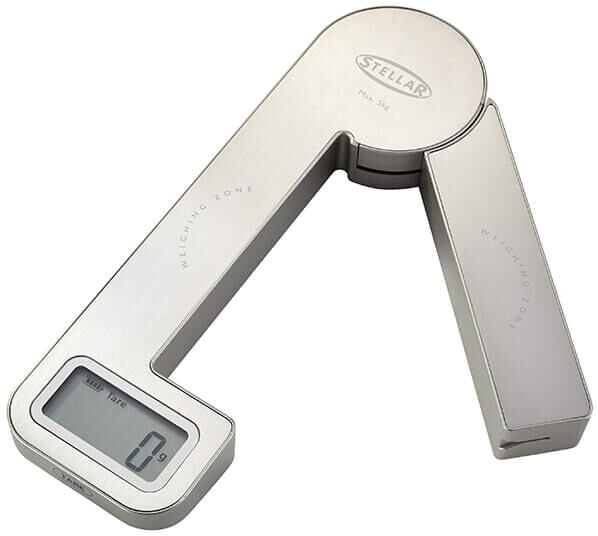
Stellar Battery Free Digital Scale 5kgThis Stellar Kitchen 5kg Battery Free Scale, is a compact design that takes up very little room. Battery free, simply wind up and weigh this scale. Complete with a add-weigh facility, simply reset tare. This scale is suitable for weighing directly or use a bowl of your choice. Select units: g/oz/water-ml/milk-ml. Supplied with a Stellar 2 Year Electrical Guarantee. Dimensions: W6.5cm x H2.5cm x L22cm. Weighs approximately 182g.19,95 £*Shipping: 3,50 £Secure redirect to the provider
-
Arlo VMS3130 Wire-Free HD 720p Wi-Fi Security System - 1 CameraThe Arlo VMS3130 is a wire-free HD security camera system designed to provide flexible indoor and outdoor home monitoring without requiring a power cable to the camera. The system includes one HD camera, an Arlo base station, magnetic mounting hardware and the batteries required for operation. The camera records video at up to 1280 x 720 HD resolution and uses a CMOS image sensor to provide clear monitoring for everyday security needs. Its 110-degree field of view covers a wide area, while digital pan and zoom allow you to inspect parts of the captured view. Built-in infrared night vision allows the camera to monitor areas in low-light and complete darkness, with night vision reaching up to approximately 7.6 metres. An automatic IR cut filter switches between day and night operation according to the surrounding light conditions. The integrated motion detection system can detect movement and trigger notifications, helping you stay informed when activity is detected. Adjustable motion sensitivity allows the system to be configured according to the monitoring environment. The camera is completely wire-free and powered by four CR123 lithium batteries. Depending on usage and conditions, the batteries can provide approximately four to six months of operation. A battery-level indicator helps monitor remaining power. The included Arlo base station connects to your existing router using Ethernet and communicates wirelessly with the camera over a 2.4GHz Wi-Fi connection. The system provides a wireless range of up to approximately 91 metres in line-of-sight conditions. The VMS3130 is suitable for indoor and outdoor monitoring and is designed for use in temperatures from -10°C to 50°C. The compact camera can be wall mounted using the supplied magnetic mount and mounting screw. The system can be managed through compatible Arlo applications, with motion alerts and remote access available through a connected device. The original system also includes cloud storage functionality for storing and reviewing recorded footage, subject to the applicable service and account options.270,49 £*Shipping: 0,00 £Secure redirect to the provider
-
What happened in Fukushima?
In March 2011, a massive earthquake and tsunami hit the Fukushima Daiichi nuclear power plant in Japan, causing a meltdown of three of its reactors. This led to the release of radioactive materials into the environment, resulting in the evacuation of thousands of residents from the surrounding areas. The Fukushima disaster is considered one of the worst nuclear accidents in history and has had long-lasting environmental and health consequences. **
-
What exactly happened in Fukushima?
In March 2011, a massive earthquake and tsunami struck the Fukushima Daiichi nuclear power plant in Japan, causing a series of meltdowns in three of its reactors. This led to the release of radioactive materials into the environment and the evacuation of thousands of residents from the surrounding area. The disaster had a significant impact on the environment, public health, and the global perception of nuclear power. The cleanup and decommissioning of the plant continue to be ongoing challenges for the Japanese government and the international community. **
-
What happened to the Fukushima reactor?
The Fukushima Daiichi nuclear power plant in Japan suffered a severe nuclear accident following a massive earthquake and tsunami in March 2011. The natural disasters caused a loss of power to the reactors, leading to a meltdown of three reactor cores and the release of radioactive materials into the environment. The accident resulted in the evacuation of thousands of residents from the surrounding area and had long-lasting environmental and health consequences. **
-
Can you reproduce the Fukushima presentation?
As an AI language model, I cannot reproduce specific presentations or documents. However, I can help you create a new presentation on the topic of Fukushima by providing information, key points, and guidance on how to structure the presentation. If you need assistance with creating a presentation on Fukushima, feel free to ask for help and I can provide relevant information and support. **
Similar search terms for Fukushima
-
York Wallcoverings Exchange Crystal Shore WallpaperExchange's small, unique, fractured lines feel like an artisanal installation rendered in burnished metallic against a textural plaster ground, shown in taupe grey with burnished metallic..170,00 $*Shipping: 0,00 $Secure redirect to the provider
-
"Will Hawaii be destroyed by Fukushima?"
No, Hawaii will not be destroyed by Fukushima. While the Fukushima nuclear disaster in Japan in 2011 released radioactive materials into the environment, the impact on Hawaii has been minimal. The radioactive materials released from Fukushima have been diluted and dispersed over a large area by the Pacific Ocean, and the levels detected in Hawaii have been very low and not considered a significant health risk. The Hawaiian government continues to monitor the situation and take necessary precautions to ensure the safety of its residents and visitors. **
-
'How was your visit to Fukushima?'
My visit to Fukushima was eye-opening and humbling. I was able to see firsthand the resilience and strength of the people in the region as they continue to rebuild and recover from the 2011 earthquake, tsunami, and nuclear disaster. The natural beauty of the area was also striking, and it was a reminder of the importance of preserving and protecting our environment. Overall, my visit to Fukushima left a lasting impression on me and reinforced the importance of supporting communities in times of need. **
-
What was the nuclear disaster of Fukushima?
The nuclear disaster of Fukushima occurred on March 11, 2011, when a massive earthquake and tsunami struck Japan, causing a meltdown at the Fukushima Daiichi Nuclear Power Plant. The disaster led to the release of radioactive materials into the environment, resulting in widespread contamination and the evacuation of thousands of residents from the surrounding area. It was the worst nuclear disaster since the Chernobyl accident in 1986 and had long-lasting environmental and health impacts on the region. **
-
What happened to the Fukushima 2 reactor?
The Fukushima 2 reactor, also known as Fukushima Daini, was also affected by the earthquake and tsunami that struck Japan in 2011. However, unlike the Fukushima Daiichi plant, which suffered a meltdown in three of its reactors, the Fukushima Daini plant managed to avoid a meltdown. The reactors at Fukushima Daini were safely shut down and did not experience the same level of damage as the Fukushima Daiichi plant. **
* All prices are inclusive of VAT and, if applicable, plus shipping costs. The offer information is based on the details provided by the respective shop and is updated through automated processes. Real-time updates do not occur, so deviations can occur in individual cases. ** Note: Parts of this content were created by AI.