Buy free-bitcoin.eu ?
We are moving the project
free-bitcoin.eu .
Are you interested in purchasing the domain
free-bitcoin.eu ?
domain@kv-gmbh.de · 0541-91531010
Buy free-bitcoin.eu ?
What is retrogressive erosion or retrogressive deposition?
Retrogressive erosion is the process by which a river or stream cuts backward into the landscape, causing the erosion of the land and the formation of steep-sided valleys or gullies. This can occur due to changes in the river's flow or the underlying geology of the area. Retrogressive deposition, on the other hand, is the process by which sediment is deposited in a backward or upstream direction, often due to a decrease in the river's flow or changes in the sediment load. Both processes can significantly alter the landscape and contribute to the shaping of the Earth's surface over time. **
What is soot deposition on the wall?
Soot deposition on the wall refers to the accumulation of fine black particles on the surface of a wall. This soot is typically a byproduct of incomplete combustion of carbon-based fuels, such as wood, coal, or oil. It can be caused by sources such as fireplaces, candles, cooking, or smoking. Soot deposition can create unsightly black stains on walls and ceilings and may also pose health risks if inhaled. Regular cleaning and proper ventilation can help prevent soot deposition in indoor spaces. **

Similar search terms for Deposition
Top-Angebote
Products related to Deposition:



-
How does the electrolytic deposition of Berlin brown work?
The electrolytic deposition of Berlin brown involves using an electrolyte solution containing a specific compound, such as potassium ferrocyanide. When an electric current is passed through the solution, the compound dissociates into its ions. The ferrocyanide ions are attracted to the cathode, where they gain electrons and form insoluble Berlin brown precipitate. This precipitate then coats the cathode, resulting in the deposition of Berlin brown. **
-
How does copper deposition work according to Faraday's law?
Copper deposition according to Faraday's law occurs through the process of electrolysis. When a copper salt solution is electrolyzed, an electric current is passed through the solution, causing copper ions to gain electrons at the cathode and deposit as solid copper metal. Faraday's law states that the amount of substance deposited is directly proportional to the amount of electricity passed through the solution, and is also related to the equivalent weight of the substance. This allows for precise control over the amount of copper deposited based on the amount of electricity passed through the solution. **
-
I need help with the calculation of deposition in electrolysis.
In electrolysis, the deposition of a substance on an electrode can be calculated using Faraday's laws of electrolysis. The amount of substance deposited is directly proportional to the quantity of electricity passed through the electrolyte. The formula for calculating the amount of deposition is given by mass = (current x time x atomic mass) / (charge of electron x Faraday's constant). By using this formula, you can calculate the amount of deposition in electrolysis. **
-
What is the difference between electrode deposition and electrode sedimentation?
Electrode deposition and electrode sedimentation are both processes used to coat a substrate with a layer of material through electrochemical methods. The main difference between the two is the mechanism by which the material is deposited onto the substrate. In electrode deposition, the material is directly deposited onto the substrate through the application of an electric current, while in electrode sedimentation, the material is first dispersed in a solution and then allowed to settle onto the substrate through gravity or other external forces. Overall, electrode deposition is a more controlled and precise process, while electrode sedimentation is more reliant on the settling behavior of the dispersed material. **


What does bitcoin mining 32 mean?
Bitcoin mining 32 refers to the process of using computational power to solve complex mathematical problems in order to validate and secure transactions on the Bitcoin network. The number 32 specifically refers to the size of the hash output that miners are trying to find. When a miner successfully finds the correct hash, they are rewarded with newly minted bitcoins as well as transaction fees. This process is essential for maintaining the integrity and security of the Bitcoin network. **
Do you know a good cryptocurrency wallet?
Yes, one popular and highly recommended cryptocurrency wallet is the Ledger Nano S. It is a hardware wallet that provides secure storage for various cryptocurrencies and offers features like two-factor authentication and backup and recovery options. Another good option is the Trezor Model T, which also offers secure storage and easy-to-use interface for managing multiple cryptocurrencies. Both wallets are known for their security features and user-friendly design, making them popular choices among cryptocurrency users. **
Top-Angebote
Products related to Deposition:
-
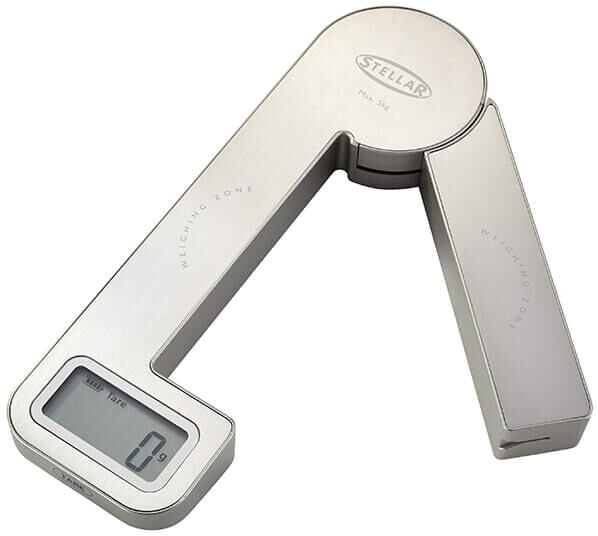
Stellar Battery Free Digital Scale 5kgThis Stellar Kitchen 5kg Battery Free Scale, is a compact design that takes up very little room. Battery free, simply wind up and weigh this scale. Complete with a add-weigh facility, simply reset tare. This scale is suitable for weighing directly or use a bowl of your choice. Select units: g/oz/water-ml/milk-ml. Supplied with a Stellar 2 Year Electrical Guarantee. Dimensions: W6.5cm x H2.5cm x L22cm. Weighs approximately 182g.19,95 £*Shipping: 3,50 £Secure redirect to the provider
-
What is retrogressive erosion or retrogressive deposition?
Retrogressive erosion is the process by which a river or stream cuts backward into the landscape, causing the erosion of the land and the formation of steep-sided valleys or gullies. This can occur due to changes in the river's flow or the underlying geology of the area. Retrogressive deposition, on the other hand, is the process by which sediment is deposited in a backward or upstream direction, often due to a decrease in the river's flow or changes in the sediment load. Both processes can significantly alter the landscape and contribute to the shaping of the Earth's surface over time. **
-
What is soot deposition on the wall?
Soot deposition on the wall refers to the accumulation of fine black particles on the surface of a wall. This soot is typically a byproduct of incomplete combustion of carbon-based fuels, such as wood, coal, or oil. It can be caused by sources such as fireplaces, candles, cooking, or smoking. Soot deposition can create unsightly black stains on walls and ceilings and may also pose health risks if inhaled. Regular cleaning and proper ventilation can help prevent soot deposition in indoor spaces. **
-
How does the electrolytic deposition of Berlin brown work?
The electrolytic deposition of Berlin brown involves using an electrolyte solution containing a specific compound, such as potassium ferrocyanide. When an electric current is passed through the solution, the compound dissociates into its ions. The ferrocyanide ions are attracted to the cathode, where they gain electrons and form insoluble Berlin brown precipitate. This precipitate then coats the cathode, resulting in the deposition of Berlin brown. **
-
How does copper deposition work according to Faraday's law?
Copper deposition according to Faraday's law occurs through the process of electrolysis. When a copper salt solution is electrolyzed, an electric current is passed through the solution, causing copper ions to gain electrons at the cathode and deposit as solid copper metal. Faraday's law states that the amount of substance deposited is directly proportional to the amount of electricity passed through the solution, and is also related to the equivalent weight of the substance. This allows for precise control over the amount of copper deposited based on the amount of electricity passed through the solution. **
Similar search terms for Deposition
-
York Wallcoverings Exchange Misty Haze WallpaperExchange's small, unique, fractured lines feel like an artisanal installation rendered in burnished metallic against a textural plaster ground, shown in sea glass green with burnished metallic..170,00 $*Shipping: 0,00 $Secure redirect to the provider
-
I need help with the calculation of deposition in electrolysis.
In electrolysis, the deposition of a substance on an electrode can be calculated using Faraday's laws of electrolysis. The amount of substance deposited is directly proportional to the quantity of electricity passed through the electrolyte. The formula for calculating the amount of deposition is given by mass = (current x time x atomic mass) / (charge of electron x Faraday's constant). By using this formula, you can calculate the amount of deposition in electrolysis. **
-
What is the difference between electrode deposition and electrode sedimentation?
Electrode deposition and electrode sedimentation are both processes used to coat a substrate with a layer of material through electrochemical methods. The main difference between the two is the mechanism by which the material is deposited onto the substrate. In electrode deposition, the material is directly deposited onto the substrate through the application of an electric current, while in electrode sedimentation, the material is first dispersed in a solution and then allowed to settle onto the substrate through gravity or other external forces. Overall, electrode deposition is a more controlled and precise process, while electrode sedimentation is more reliant on the settling behavior of the dispersed material. **
-
What does bitcoin mining 32 mean?
Bitcoin mining 32 refers to the process of using computational power to solve complex mathematical problems in order to validate and secure transactions on the Bitcoin network. The number 32 specifically refers to the size of the hash output that miners are trying to find. When a miner successfully finds the correct hash, they are rewarded with newly minted bitcoins as well as transaction fees. This process is essential for maintaining the integrity and security of the Bitcoin network. **
-
Do you know a good cryptocurrency wallet?
Yes, one popular and highly recommended cryptocurrency wallet is the Ledger Nano S. It is a hardware wallet that provides secure storage for various cryptocurrencies and offers features like two-factor authentication and backup and recovery options. Another good option is the Trezor Model T, which also offers secure storage and easy-to-use interface for managing multiple cryptocurrencies. Both wallets are known for their security features and user-friendly design, making them popular choices among cryptocurrency users. **
* All prices are inclusive of VAT and, if applicable, plus shipping costs. The offer information is based on the details provided by the respective shop and is updated through automated processes. Real-time updates do not occur, so deviations can occur in individual cases. ** Note: Parts of this content were created by AI.