Buy free-bitcoin.eu ?
We are moving the project
free-bitcoin.eu .
Are you interested in purchasing the domain
free-bitcoin.eu ?
domain@kv-gmbh.de · 0541-91531010
Buy free-bitcoin.eu ?
What is indirect expropriation?
Indirect expropriation refers to a situation where a government's actions or regulations significantly interfere with a foreign investor's property rights, to the extent that it has the same effect as a direct expropriation. This can occur through measures such as excessive taxation, unreasonable regulations, or discriminatory practices that devalue or render the investment worthless. Indirect expropriation can lead to disputes between the investor and the host country, often resulting in compensation claims under international investment treaties or agreements. **
What is an indirect expropriation?
An indirect expropriation occurs when a government action or regulation significantly diminishes the value or use of an investment, without physically taking ownership of it. This can include measures such as excessive taxation, unreasonable regulations, or discriminatory treatment that effectively deprives the investor of the benefits of their investment. Indirect expropriation is considered a violation of international investment law and investors may be entitled to compensation for the loss of their investment. **
Similar search terms for Expropriation
Top-Angebote
Products related to Expropriation:
-
Arlo VMS3130 Wire-Free HD 720p Wi-Fi Security System - 1 CameraThe Arlo VMS3130 is a wire-free HD security camera system designed to provide flexible indoor and outdoor home monitoring without requiring a power cable to the camera. The system includes one HD camera, an Arlo base station, magnetic mounting hardware and the batteries required for operation. The camera records video at up to 1280 x 720 HD resolution and uses a CMOS image sensor to provide clear monitoring for everyday security needs. Its 110-degree field of view covers a wide area, while digital pan and zoom allow you to inspect parts of the captured view. Built-in infrared night vision allows the camera to monitor areas in low-light and complete darkness, with night vision reaching up to approximately 7.6 metres. An automatic IR cut filter switches between day and night operation according to the surrounding light conditions. The integrated motion detection system can detect movement and trigger notifications, helping you stay informed when activity is detected. Adjustable motion sensitivity allows the system to be configured according to the monitoring environment. The camera is completely wire-free and powered by four CR123 lithium batteries. Depending on usage and conditions, the batteries can provide approximately four to six months of operation. A battery-level indicator helps monitor remaining power. The included Arlo base station connects to your existing router using Ethernet and communicates wirelessly with the camera over a 2.4GHz Wi-Fi connection. The system provides a wireless range of up to approximately 91 metres in line-of-sight conditions. The VMS3130 is suitable for indoor and outdoor monitoring and is designed for use in temperatures from -10°C to 50°C. The compact camera can be wall mounted using the supplied magnetic mount and mounting screw. The system can be managed through compatible Arlo applications, with motion alerts and remote access available through a connected device. The original system also includes cloud storage functionality for storing and reviewing recorded footage, subject to the applicable service and account options.270,49 £*Shipping: 0,00 £Secure redirect to the provider




-
Is expropriation of housing acceptable?
Expropriation of housing can be a controversial topic as it involves taking private property for public use. Some argue that it is necessary to address issues such as housing shortages or urban development, while others believe it violates property rights. Ultimately, the acceptability of expropriation of housing depends on the specific circumstances, the justification for the expropriation, and the protection of the rights of those affected. It is important to consider the balance between public interest and individual property rights when evaluating the acceptability of expropriation of housing. **
-
What is the expropriation of savers?
The expropriation of savers refers to a situation where the value of savings or investments held by individuals or institutions is eroded or confiscated by the government or other entities. This can happen through policies such as high inflation, currency devaluation, or direct seizure of assets. Expropriation of savers can have a significant negative impact on individuals and the economy, as it undermines trust in the financial system and reduces people's ability to plan for the future. It is often seen as a violation of property rights and can lead to social unrest and economic instability. **
-
Is expropriation now a done deal?
Expropriation is not necessarily a done deal at this point. While there have been discussions and proposals regarding expropriation in various contexts, such as land reform or nationalization of industries, the actual implementation of expropriation would depend on specific legislative processes, legal challenges, and political negotiations. The outcome of these processes will determine whether expropriation becomes a reality or not. Therefore, it is important to closely monitor the developments and decisions related to expropriation in each specific case. **
-
Can one defend themselves against expropriation?
One can defend themselves against expropriation by understanding their legal rights and seeking legal counsel. It is important to review the laws and regulations related to expropriation in their jurisdiction and ensure that the expropriating authority has followed the proper procedures. Additionally, one can negotiate with the expropriating authority to reach a fair compensation for their property. In some cases, it may be possible to challenge the expropriation in court if it can be proven that the expropriation is not for a valid public purpose or that the compensation offered is not just. **

How will the large expropriation continue?
The large expropriation will likely continue through a combination of government actions, legal processes, and negotiations with affected parties. Governments may use their eminent domain powers to acquire land for public use, such as for infrastructure projects or urban development. Legal processes will be followed to ensure that property owners are compensated fairly for their expropriated land. Negotiations may also take place to reach mutually beneficial agreements between the government and property owners. Overall, the large expropriation will involve a complex and ongoing process to balance the needs of public development with the rights of property owners. **
Does the Building Energy Act mean expropriation?
No, the Building Energy Act does not mean expropriation. The act focuses on improving energy efficiency in buildings and reducing greenhouse gas emissions, rather than taking ownership of private property. Expropriation is a legal process where the government acquires private property for public use, typically with compensation to the owner. The Building Energy Act does not involve expropriation of property. **
Top-Angebote
Products related to Expropriation:
-
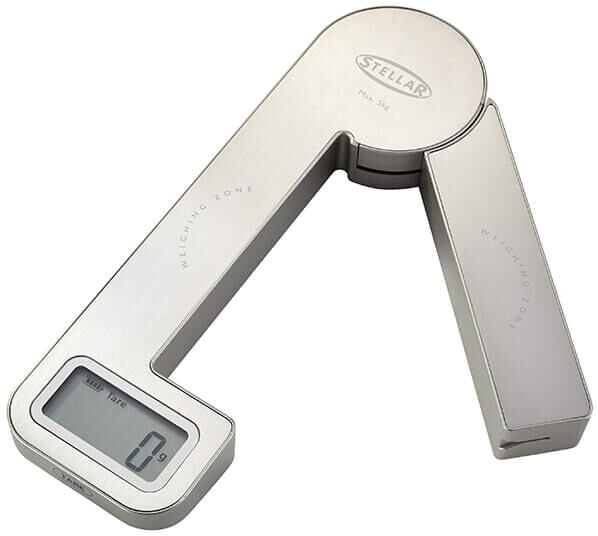
Stellar Battery Free Digital Scale 5kgThis Stellar Kitchen 5kg Battery Free Scale, is a compact design that takes up very little room. Battery free, simply wind up and weigh this scale. Complete with a add-weigh facility, simply reset tare. This scale is suitable for weighing directly or use a bowl of your choice. Select units: g/oz/water-ml/milk-ml. Supplied with a Stellar 2 Year Electrical Guarantee. Dimensions: W6.5cm x H2.5cm x L22cm. Weighs approximately 182g.19,95 £*Shipping: 3,50 £Secure redirect to the provider
-
What is indirect expropriation?
Indirect expropriation refers to a situation where a government's actions or regulations significantly interfere with a foreign investor's property rights, to the extent that it has the same effect as a direct expropriation. This can occur through measures such as excessive taxation, unreasonable regulations, or discriminatory practices that devalue or render the investment worthless. Indirect expropriation can lead to disputes between the investor and the host country, often resulting in compensation claims under international investment treaties or agreements. **
-
What is an indirect expropriation?
An indirect expropriation occurs when a government action or regulation significantly diminishes the value or use of an investment, without physically taking ownership of it. This can include measures such as excessive taxation, unreasonable regulations, or discriminatory treatment that effectively deprives the investor of the benefits of their investment. Indirect expropriation is considered a violation of international investment law and investors may be entitled to compensation for the loss of their investment. **
-
Is expropriation of housing acceptable?
Expropriation of housing can be a controversial topic as it involves taking private property for public use. Some argue that it is necessary to address issues such as housing shortages or urban development, while others believe it violates property rights. Ultimately, the acceptability of expropriation of housing depends on the specific circumstances, the justification for the expropriation, and the protection of the rights of those affected. It is important to consider the balance between public interest and individual property rights when evaluating the acceptability of expropriation of housing. **
-
What is the expropriation of savers?
The expropriation of savers refers to a situation where the value of savings or investments held by individuals or institutions is eroded or confiscated by the government or other entities. This can happen through policies such as high inflation, currency devaluation, or direct seizure of assets. Expropriation of savers can have a significant negative impact on individuals and the economy, as it undermines trust in the financial system and reduces people's ability to plan for the future. It is often seen as a violation of property rights and can lead to social unrest and economic instability. **
Similar search terms for Expropriation
-
Arlo VMS3130 Wire-Free HD 720p Wi-Fi Security System - 1 CameraThe Arlo VMS3130 is a wire-free HD security camera system designed to provide flexible indoor and outdoor home monitoring without requiring a power cable to the camera. The system includes one HD camera, an Arlo base station, magnetic mounting hardware and the batteries required for operation. The camera records video at up to 1280 x 720 HD resolution and uses a CMOS image sensor to provide clear monitoring for everyday security needs. Its 110-degree field of view covers a wide area, while digital pan and zoom allow you to inspect parts of the captured view. Built-in infrared night vision allows the camera to monitor areas in low-light and complete darkness, with night vision reaching up to approximately 7.6 metres. An automatic IR cut filter switches between day and night operation according to the surrounding light conditions. The integrated motion detection system can detect movement and trigger notifications, helping you stay informed when activity is detected. Adjustable motion sensitivity allows the system to be configured according to the monitoring environment. The camera is completely wire-free and powered by four CR123 lithium batteries. Depending on usage and conditions, the batteries can provide approximately four to six months of operation. A battery-level indicator helps monitor remaining power. The included Arlo base station connects to your existing router using Ethernet and communicates wirelessly with the camera over a 2.4GHz Wi-Fi connection. The system provides a wireless range of up to approximately 91 metres in line-of-sight conditions. The VMS3130 is suitable for indoor and outdoor monitoring and is designed for use in temperatures from -10°C to 50°C. The compact camera can be wall mounted using the supplied magnetic mount and mounting screw. The system can be managed through compatible Arlo applications, with motion alerts and remote access available through a connected device. The original system also includes cloud storage functionality for storing and reviewing recorded footage, subject to the applicable service and account options.270,49 £*Shipping: 0,00 £Secure redirect to the provider
-
Is expropriation now a done deal?
Expropriation is not necessarily a done deal at this point. While there have been discussions and proposals regarding expropriation in various contexts, such as land reform or nationalization of industries, the actual implementation of expropriation would depend on specific legislative processes, legal challenges, and political negotiations. The outcome of these processes will determine whether expropriation becomes a reality or not. Therefore, it is important to closely monitor the developments and decisions related to expropriation in each specific case. **
-
Can one defend themselves against expropriation?
One can defend themselves against expropriation by understanding their legal rights and seeking legal counsel. It is important to review the laws and regulations related to expropriation in their jurisdiction and ensure that the expropriating authority has followed the proper procedures. Additionally, one can negotiate with the expropriating authority to reach a fair compensation for their property. In some cases, it may be possible to challenge the expropriation in court if it can be proven that the expropriation is not for a valid public purpose or that the compensation offered is not just. **
-
How will the large expropriation continue?
The large expropriation will likely continue through a combination of government actions, legal processes, and negotiations with affected parties. Governments may use their eminent domain powers to acquire land for public use, such as for infrastructure projects or urban development. Legal processes will be followed to ensure that property owners are compensated fairly for their expropriated land. Negotiations may also take place to reach mutually beneficial agreements between the government and property owners. Overall, the large expropriation will involve a complex and ongoing process to balance the needs of public development with the rights of property owners. **
-
Does the Building Energy Act mean expropriation?
No, the Building Energy Act does not mean expropriation. The act focuses on improving energy efficiency in buildings and reducing greenhouse gas emissions, rather than taking ownership of private property. Expropriation is a legal process where the government acquires private property for public use, typically with compensation to the owner. The Building Energy Act does not involve expropriation of property. **
* All prices are inclusive of VAT and, if applicable, plus shipping costs. The offer information is based on the details provided by the respective shop and is updated through automated processes. Real-time updates do not occur, so deviations can occur in individual cases. ** Note: Parts of this content were created by AI.